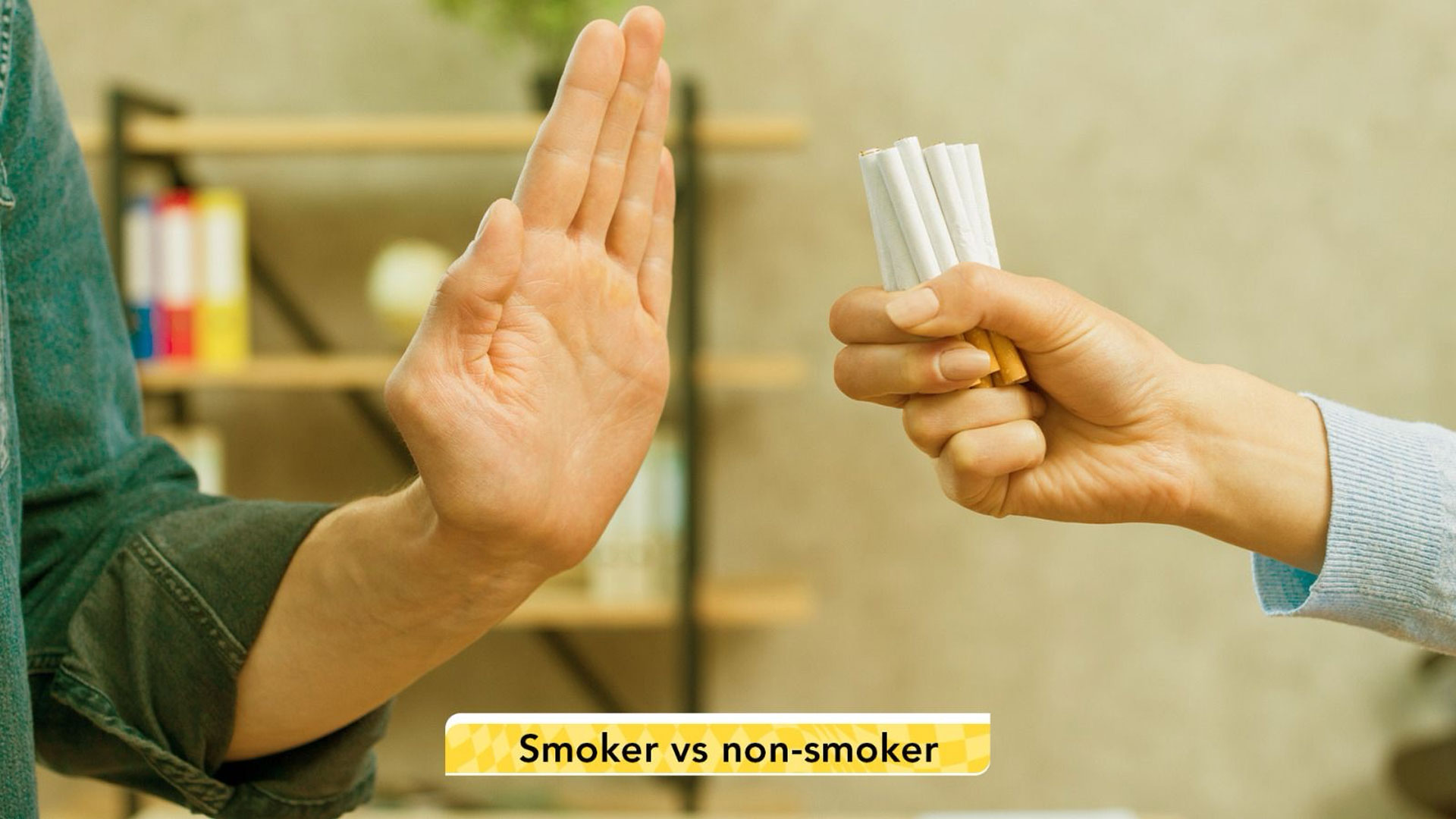
You’re filling out an insurance form, and it asks, “Are you a smoker?”
You think, “Well, I only enjoy a hookah once in a blue moon and maybe the occasional bidi at weddings. I quit regular cigarettes last month, so I’m basically a non-smoker, right?” Not so fast!
In the world of insurance underwriting (the process where the company assesses your risk), even occasional or past tobacco use can put you in the “smoker” category.
Don’t worry, we’ll break it all down in simple terms. Grab a chai, and let’s chat about what being a smoker really means for your insurance.
All the Forms of Smoking (Yes, All Count!)
Insurance companies have a very broad definition of “smoker.” It’s not just the classic cigarette. If you’ve consumed tobacco in any form in the last 12 months, the insurer will tag you as a smoker. This includes:
Cigarettes – whether you smoke a pack a day or just one occasionally.
Bidis – those hand-rolled leaf cigarettes common in India (they do count!).
Cigars – even that fancy cigar on a special occasion.
Hookah or Pipe – puffing on a hookah (shisha) or pipe tobacco, yes, it’s counted.
Chewing tobacco – gutka, paan with zarda, khaini, snuff… all are tobacco.
Basically, any use of tobacco or nicotine makes you a smoker in the insurer’s eyes. Even smokeless forms like chewing tobacco are treated the same as smoking. It might feel unfair if you’re not a daily smoker, but from a risk point of view, tobacco is tobacco.
One Puff or Many – You’re Still a Smoker
You might be thinking, “I only smoke occasionally, so I’m technically a non-smoker.” Sorry, but insurers don’t see it that way. Most insurance companies ask whether you have used tobacco in the last 12 months (some even extend to 2-3 years). Even a single puff in that period can classify you as a smoker for insurance purposes.
That means if you had one cigar at a New Year’s party or tried a cigarette “just once” at a friend’s gathering last summer, you’re officially a smoker according to your life insurance form. There’s no concept of “social smoker” or “light smoker” on the application – it’s usually a yes or no question. Insurers would rather play it safe, because even occasional tobacco use comes with health risks. So, even one bidi or hookah session counts. In insurance lingo, once a smoker (within recent history), then a smoker it is!
“I Quit Smoking – Can I Say I’m a Non-Smoker Now?”
Quitting smoking is fantastic for your health, and you deserve a pat on the back for it. But when it comes to insurance, just saying “I quit” isn’t enough to get the non-smoker status immediately. Insurers typically want to see that you’ve been completely tobacco-free for a good length of time (often at least 12 months) before they stop considering you a smoker. In simple terms, you need to prove you’ve been clean for a while.
Think of it like this. If you stopped smoking last week and apply for insurance today, the underwriters (the insurance detectives who evaluate your application) will still label you as a smoker. Most insurance companies require about one year of no nicotine use to consider you a non-smoker for pricing. Some might even ask for two years or more of abstinence, depending on their rules.
So, if you’ve recently quit, be truthful about it on the form (you’ll likely still fall under smoker rates initially). After you’ve stayed tobacco-free for 12+ months, you can ask your insurer if they’ll re-evaluate and possibly reduce your premium. Many insurers allow reclassification to non-smoker rates once you’ve proven you’re truly off the habit. Until then, hang in there, you’re on the right path, and your honesty will pay off in the long run.
What About Vaping, Nicotine Patches or Gutka?
A lot of people ask: “I don’t smoke cigarettes, but I use other stuff like e-cigarettes or chew nicotine gum. Does that count?” In insurance terms, yes, it definitely counts. Any use of nicotine puts you in the smoker category. This includes:
Vaping or e-cigarettes – even though there’s no “smoke,” you’re still ingesting nicotine (and insurers treat it like smoking).
Nicotine patches or gum – these are quit-smoking aids, but ironically, until you’re off them, you’re still using nicotine. Insurers will consider you a smoker because of the nicotine in your system.
Chewing tobacco or snuff – as mentioned, any chewing form is the same as smoking to the insurer.
Bidi, hookah, and Cigar – all the traditional forms are included, as we covered.
Basically, if it’s got nicotine or tobacco, it’s part of the smoker package. One insurance guide specifically warns that using e-cigarettes or nicotine replacement products (like patches or gums) might still count as smoking for insurance purposes. So switching to a vape or a nicotine paan doesn’t let you slip under the non-smoker radar. It’s like trying to substitute sugar with honey – to your body (and the insurer), sugar is sugar. Likewise, nicotine is nicotine, no matter the source.
Why Hiding Your Habit is a REALLY Bad Idea
Now, here’s the honest truth: some people, seeing that smoker premiums are higher, feel tempted to hide their smoking habit on the insurance application. After all, who doesn’t like saving money? But lying on your form is extremely risky and could totally defeat the whole purpose of insurance. In fact, providing false information (like hiding your smoking) is one of the top reasons a claim gets rejected later on.
Insurance is a contract built on trust. When you sign on as a “non-smoker” but you secretly are one, you’re breaking that trust. If something happens to you, the insurer can investigate and discover the truth, which might lead them to deny your family’s claim. Here are some consequences of hiding your smoking status:
Policy Cancellation or Higher Premiums Upfront: During the application process, insurers often double-check claims. Some require a medical test.
For example, a urine test for cotinine (a nicotine by-product). If you say you’re a non-smoker, just to be sure. Nicotine can linger in your blood and urine for days or weeks like a tattletale. If that test finds nicotine, your lie is busted. The insurer might cancel your application or hike up your premium on the spot. It’s like being caught cheating on a test, so there will be consequences.
Claim Denial Later: Let’s say you do manage to get the policy issued by hiding your habit. You pay a lower premium for now. All seems well… until a claim is made. If you die and the claim is filed, the insurance company can dig into your medical history. They will check hospital records, doctor’s reports, and even social media if needed, to see if there was undisclosed smoking. If the cause of death was related to a smoking-related illness (say lung cancer or a heart attack), that’s a big red flag. Even if the cause is unrelated, any mention in your past medical records of tobacco use could surface. Insurers have denied large claims upon finding out the person had a tobacco habit that was hidden.
For Example, in 2023 ,an insurer in India rejected a ₹1.2 crore life insurance claim after discovering through hospital records that the policyholder had a history of tobacco use which he hadn’t disclosed. Imagine the shock and pain for that family, what happens now?
Basically, if it’s got nicotine or tobacco, it’s part of the smoker package. One insurance guide specifically warns that using e-cigarettes or nicotine replacement products (like patches or gums) might still count as smoking for insurance purposes. So switching to a vape or a nicotine paan doesn’t let you slip under the non-smoker radar. It’s like trying to substitute sugar with honey – to your body (and the insurer), sugar is sugar. Likewise, nicotine is nicotine, no matter the source.
Why Hiding Your Habit is a REALLY Bad Idea
Now, here’s the honest truth: some people, seeing that smoker premiums are higher, feel tempted to hide their smoking habit on the insurance application. After all, who doesn’t like saving money? But lying on your form is extremely risky and could totally defeat the whole purpose of insurance. In fact, providing false information (like hiding your smoking) is one of the top reasons a claim gets rejected later on.
Insurance is a contract built on trust. When you sign on as a “non-smoker” but you secretly are one, you’re breaking that trust. If something happens to you, the insurer can investigate and discover the truth, which might lead them to deny your family’s claim. Here are some consequences of hiding your smoking status:
Policy Cancellation or Higher Premiums Upfront: During the application process, insurers often double-check claims. Some require a medical test.
For example, a urine test for cotinine (a nicotine by-product). If you say you’re a non-smoker, just to be sure. Nicotine can linger in your blood and urine for days or weeks like a tattletale. If that test finds nicotine, your lie is busted. The insurer might cancel your application or hike up your premium on the spot. It’s like being caught cheating on a test, so there will be consequences.
Not sure how much term insurance you need?
Your income, loans, dependents, and financial responsibilities affect the right life cover amount. The free Inka Insurance Report helps estimate your protection needs before you compare term insurance plans.