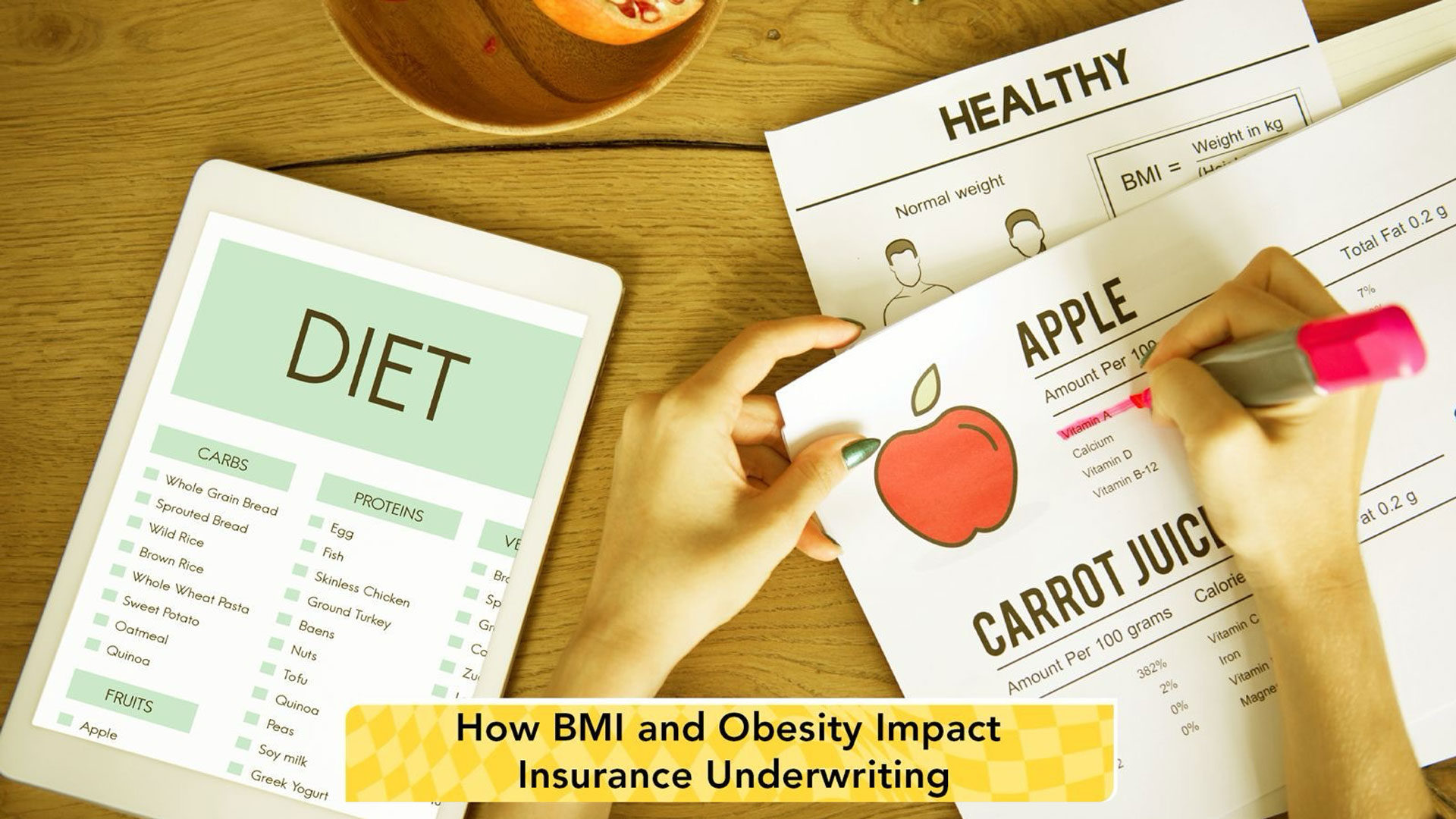
Have you ever wondered why insurance companies ask for your height and weight when you apply for a policy? It’s not because they are curious about your gym routine.
Your Body Mass Index (BMI) often plays a role in insurance underwriting. Underwriting simply means the process insurers use to decide how risky it is to insure someone. But here’s the interesting part: BMI alone doesn’t decide your fate.
Many people assume that if their BMI is high, they will automatically get rejected. That’s not always true. What insurers really want to understand is your overall health risk, not just your weight.
Let’s break it down in simple terms, so you know how BMI affects your insurance premium, approval chances, and what you can do about it.
How Higher BMI Can Lead to Extra Medical Checks
Imagine this situation. You apply for a health insurance or life insurance policy. Everything seems fine until the insurer notices your BMI falls into the overweight or obese category.
That’s when the underwriting process becomes more detailed.
Higher BMI can trigger extra medical tests and detailed health or lifestyle questions. Insurers may ask for:
• Blood tests
• Cholesterol reports
• Blood sugar tests
Sometimes, even a full medical check-up. This isn’t meant to scare you. It simply helps the insurer understand whether your weight is linked to any health conditions.
For example, if your BMI is slightly higher but your blood pressure, sugar levels, and cholesterol are normal, insurers may still consider you a manageable risk. But if the numbers raise red flags, they may dig deeper before approving the policy.
When Higher BMI Can Increase Your Insurance Premium
Now let’s talk about something everyone worries about: the cost.
If your BMI falls into higher categories, insurers may do one of the following:
• Increase your premium (called premium loading)
•Add certain exclusions to the policy
• Reduce the approved cover amount in some cases
Premium loading simply means you pay slightly more for the same insurance coverage. It’s similar to how younger drivers sometimes pay more for car insurance because insurers believe the risk is higher.
For example:
Two people apply for the same life insurance policy.
Both are 35 years old.
Both are non-smokers.
But one has a BMI of 23 while the other has a BMI of 32. The insurer may charge the second person a higher insurance premium due to obesity risk, because statistically higher BMI can increase the chances of certain health conditions over time.
But here’s the good news.
A higher premium doesn’t mean you won’t get insurance. In most cases, the policy is still approved, it just costs a little more.
Why Underwriters Look Beyond BMI Alone
Here’s a secret many people don’t know. Insurers don’t judge you based on BMI alone.
Underwriters actually look for related health risks that may come with higher weight.
These commonly include:
- High blood pressure
- Type 2 diabetes
- Sleep apnea
- Fatty liver disease
If your BMI is high but none of these conditions exists, the risk level might remain moderate.
For example, someone with a BMI of 29 who exercises regularly and has normal medical reports may be viewed very differently from someone with the same BMI but uncontrolled diabetes.
This is why insurers evaluate overall health, lifestyle, and medical reports, not just numbers on a BMI chart.
How Sudden Weight Gain Can Raise Risk Concerns
Suppose someone gained 15 kilograms in a very short period of time. That kind of sudden change may signal something deeper, maybe hormonal issues, lifestyle changes, or health problems. From an insurer’s perspective, sudden weight gain or a very high BMI can move a person into a higher risk category.
This doesn’t automatically mean rejection. But it can shift the policy into what insurers call “higher risk bands.”
And higher risk bands usually mean:
- Higher premiums
- Extra medical tests
- Closer scrutiny of medical reports
Knowing this in advance can help you prepare and avoid surprises.
How Weight Loss Can Improve Insurance Pricing
Here’s the part most people love hearing. Your insurance risk category is not permanent.
If you’re actively reducing weight and your medical reports are clean, your insurance pricing can improve during renewal or when buying a new policy. Many insurers review health conditions again during certain stages. If your BMI moves into a healthier range and related risks disappear, your premium may drop.
Let’s say someone had a BMI of 33 when they bought their first policy. Over the next two years, they adopted healthier habits, lost weight, and brought their BMI down to 27. With improved health reports, the insurer may consider them a lower risk compared to before.
Why Honest Health Disclosure Matters
When applying for insurance, honesty is not optional; it’s critical.
Some people worry that revealing their weight or health conditions might lead to rejection. So they hide information during the application process. This is a dangerous mistake.
If you don’t disclose important health details, the insurer might still issue the policy. But during a claim investigation later, they may discover the missing information. And that can lead to claim rejection. This is why experts always say: disclose honestly even if it feels uncomfortable.
Insurance companies usually don’t reject people for higher BMI alone. But non-disclosure can create serious trouble during claims. So the smarter move is simple: Share accurate health information, provide medical reports if asked, and let the underwriting process do its job.
It protects you and ensures your family can actually receive the benefits when they need them.
Not sure how much health insurance you need?
Your age, city, family size, existing cover, and medical costs can all affect the right coverage amount. The free Inka Insurance Report helps you understand your health, term, and critical illness needs before you compare policies.
Final Thoughts
BMI does influence insurance underwriting decisions, but it’s not the final verdict on your insurability. Insurers look at the bigger picture, your medical reports, lifestyle habits, and associated health risks.
If your BMI is higher today, it doesn’t mean you cannot get insurance. It simply means the insurer may take a closer look before approving the policy. And remember this: Health changes over time.
Your weight, lifestyle, and medical reports today don’t have to stay the same forever.
So if you’re planning to buy insurance, don’t delay just because of BMI concerns. Apply honestly, understand the process, and take small steps toward better health. Because when it comes to insurance, being informed today can save a lot of stress tomorrow.