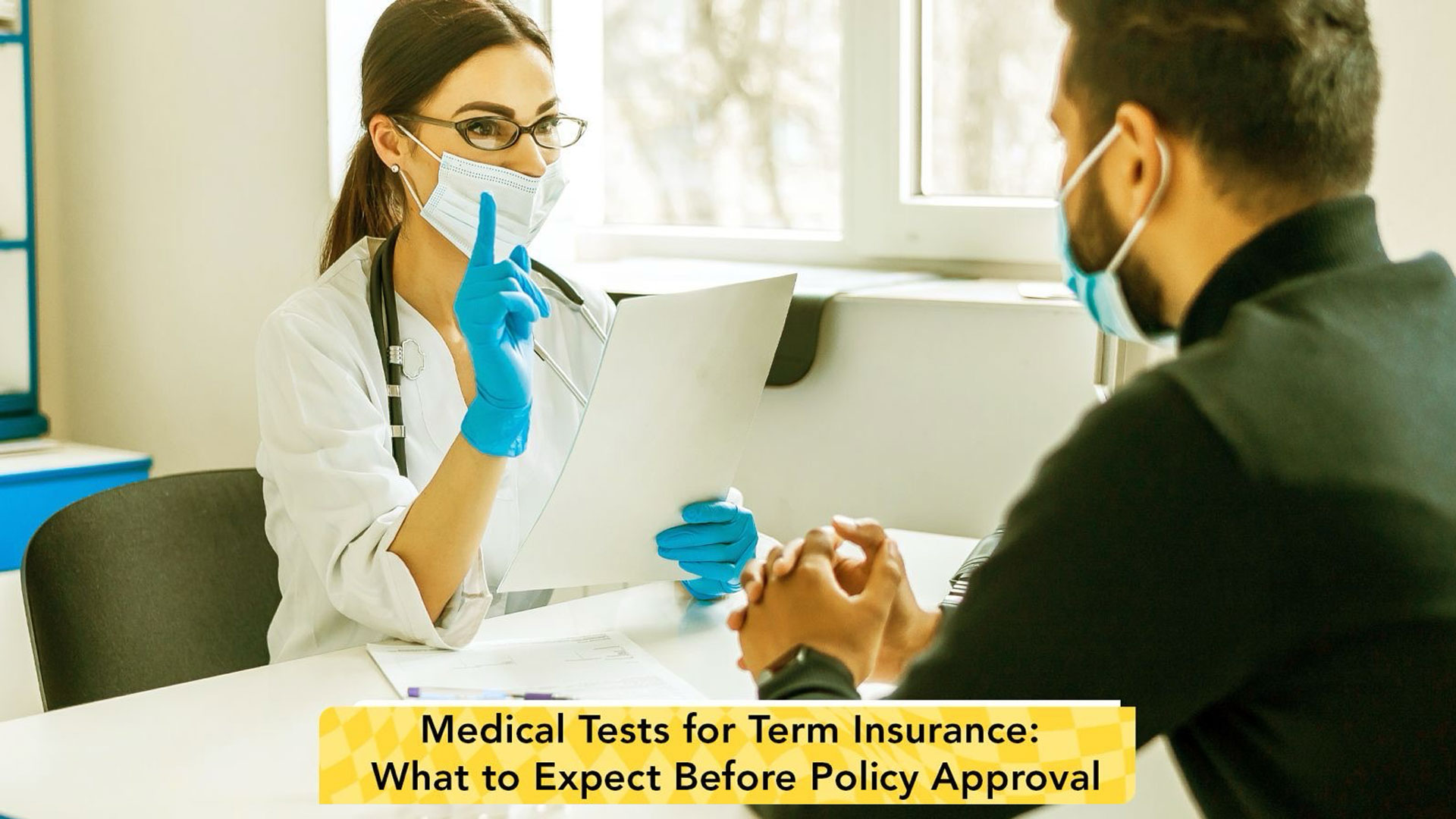
Getting a term insurance plan is one of the smartest financial decisions you can make. But for many applicants, the moment they hear about medical tests, hesitation kicks in.
Questions like “Will I pass?”, “What if something shows up?”, or “Is it complicated?” are very common.
The good news is that medical tests for term insurance are simple, quick, and nothing to worry about. They are designed to help insurers assess your health accurately so they can offer fair coverage and pricing.
Once you understand the process, it becomes straightforward and stress-free.
Basic medical tests and coverage requirements
Medical tests for term insurance usually begin with basic health checks. These include:
- Height and weight measurement
- Blood pressure check
- Basic physical assessment
These initial tests give insurers a general understanding of your overall health.
If you are applying for a higher coverage amount or fall into a certain age group, additional tests may be required. These can include:
- Blood tests
- Urine tests
- ECG (Electrocardiogram)
The process is step-by-step and needs-based. It doesn’t start with complex tests unless necessary. Most applicants go through only basic or moderate-level testing.
Pro tip: Avoid trying to manipulate results by sudden lifestyle changes right before tests. Honest results ensure smoother approval and fewer issues later.
Fasting guidelines for accurate test results
For certain tests, especially blood tests, you may be required to fast for 8 to 12 hours.
This typically means:
- No food during the fasting period
- Water is usually allowed
That’s why most medical tests for term insurance are scheduled early in the morning. It makes fasting easier and ensures accurate readings.
Eating before a fasting test can impact:
- Blood sugar levels
- Cholesterol readings
Incorrect results can lead to delays or even retesting. Following the fasting instructions properly helps complete the process quickly and efficiently.
Role of medical tests in policy underwriting
A common misunderstanding is that medical tests are meant to diagnose diseases. In reality, their primary purpose is underwriting, which means assessing your health risk.
Based on your test results, insurers decide whether to approve your policy, what premium to charge, and whether any conditions or exclusions should be applied. Even if some values are slightly outside the normal range, it does not automatically lead to rejection.
In most cases, insurers may adjust the premium, also known as loading, or include specific conditions in the policy. This approach ensures fairness, as individuals are charged based on their level of risk rather than a one-size-fits-all pricing model.
For example, a 35-year-old applicant with slightly high cholesterol disclosed it honestly and received policy approval with a small premium increase, without any complications later.
Home Medical Tests: Easy and Convenient Process
Today, many insurers offer home medical test services, making the process highly convenient. Instead of visiting a hospital or diagnostic center, a trained professional visits your home to collect samples.
This approach saves time and effort, especially for busy professionals, elderly individuals, or anyone who prefers the comfort of their home. The process is quick, organized, and usually completed within a short duration.
To ensure a smooth experience, you should keep your identification proof and application details ready at the time of the visit.
Importance of accurate health disclosure
Honesty plays a crucial role when applying for term insurance. You need to accurately disclose your medical history, any existing health conditions, and lifestyle habits such as smoking or alcohol consumption.
If there is a mismatch between the information you provide and your medical test results, it can lead to delays in approval and may even create complications in the future, especially during claim processing.
Insurance is built on trust, and providing accurate information ensures a smoother process, transparent policy terms, and long-term peace of mind.
Example:
Rahul applied for term insurance and didn’t mention that he smoked occasionally. His medical test later showed signs of smoking. This caused a delay in his policy approval. In some cases, such mismatches can also create problems during claims. If Rahul had mentioned it honestly from the beginning, the process would have been smooth and stress-free.
Who pays for medical tests: what you should know
The cost of medical tests for term insurance depends on the insurer and the type of policy you choose. In many cases, especially for higher coverage amounts, insurers cover the cost of these tests.
However, for smaller policies, applicants may be required to bear the cost themselves. It is always advisable to confirm this detail in advance so you can plan accordingly and avoid any confusion during the process.
How Medical Tests Impact Policy Terms
Your medical test results have a direct impact on your policy terms. If your health indicators fall within a healthy range, you are more likely to receive lower premium rates.
If certain values are slightly higher than normal, the insurer may adjust your premium or include specific conditions in the policy. This is a standard practice and does not mean your application will be rejected.
The goal is to align the policy terms with your health risk. Even if your results are not perfect, most applicants still receive approval with adjusted terms.
Not sure how much term insurance you need?
Your income, loans, dependents, and financial responsibilities affect the right life cover amount. The free Inka Insurance Report helps estimate your protection needs before you compare term insurance plans.
Final Thoughts
Medical tests for term insurance may seem intimidating at first, but they are actually simple and manageable. They begin with basic checks and may include a few additional tests depending on your age and coverage requirements.
With options like home testing, the process has become even more convenient and accessible. By following instructions carefully and being honest in your disclosures, you can complete the process without any hassle.
In the end, these tests are just a small step toward protecting your family’s future. Once you understand the process, you can go ahead without worry and with complete peace of mind.