Introduction
Many people buy health insurance believing it will fully cover hospital expenses during a medical emergency. Premiums are paid on time, the sum insured looks sufficient, and everything seems secure until the claim is settled. Then comes the surprise: the insurer pays much less than expected.
One common reason for this is the room rent limit mentioned in the policy. It may look like a small clause, but it can have a big effect on how much of the hospital bill is actually covered. What makes it more confusing is that the deduction often does not stop with the room charge alone. In many cases, it affects several other treatment costs as well.
This is why understanding the room rent limit is so important. It helps you avoid unexpected expenses and make better choices when you or your family need hospitalisation.
What is the Room Rent Limit in Health Insurance?
A room rent limit is the maximum amount your health insurance policy will pay for your hospital room per day. In some policies, this is shown as a fixed amount, such as ₹3,000 or ₹5,000 per day. In others, it is defined by room type, such as a shared room or a single private room.
If you stay in a room that falls within the allowed limit, your insurer usually processes the claim without applying room-related deductions. But if you choose a room that is above the allowed category or daily cap, your claim amount may be reduced.
This is where many people get confused. They assume that if they choose a more expensive room, they will only have to pay the difference in room rent. In reality, the impact can be much bigger.
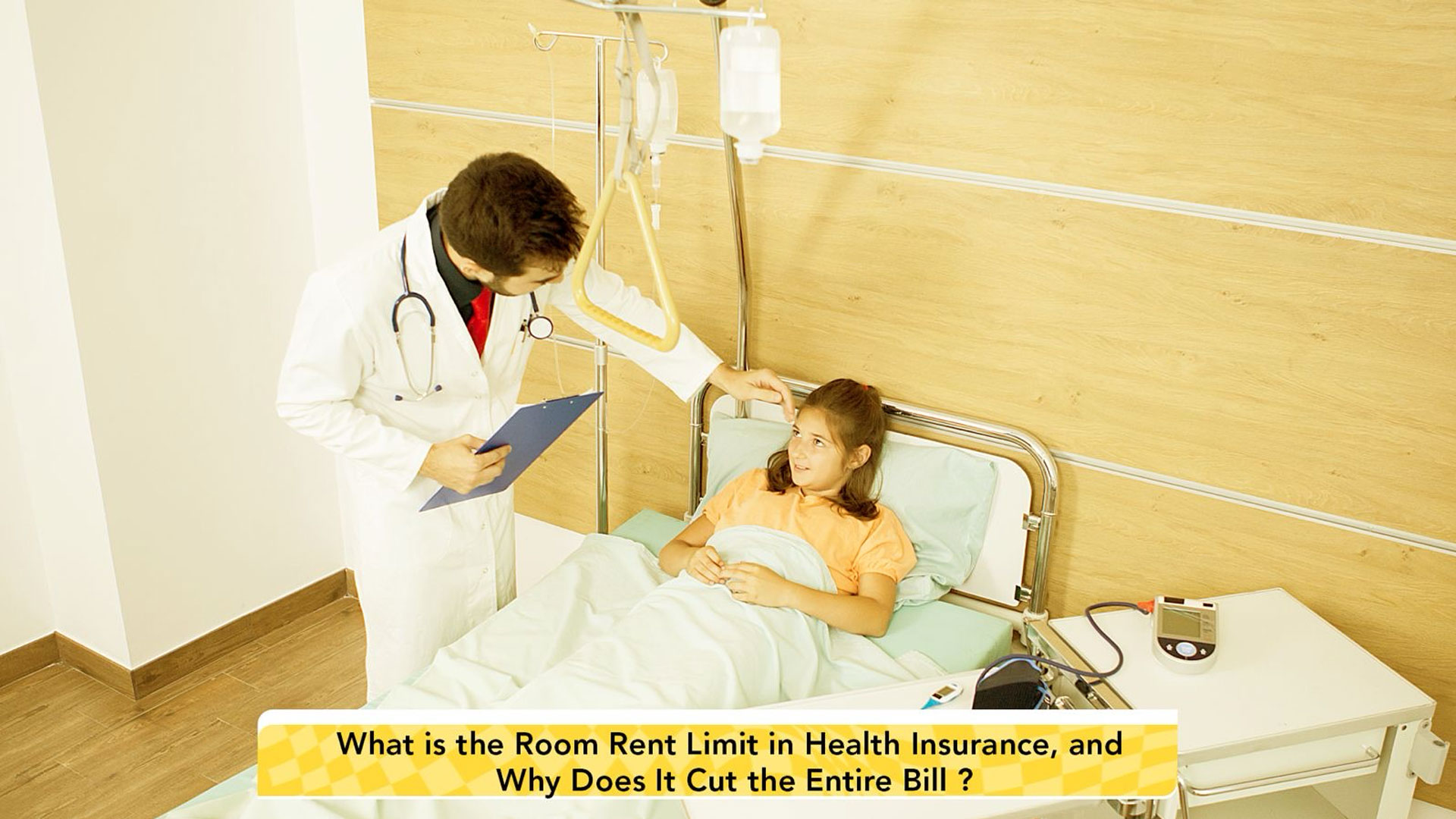
Why Does It Affect the Entire Hospital Bill?
In many hospitals, treatment costs are linked to the type of room a patient chooses. A higher room category may lead to higher charges for doctor visits, nursing, monitoring, and even some procedures. So when a patient chooses a room above the limit allowed in the policy, the insurer may not only reduce the room rent payment but also reduce other related expenses.
This is done because the insurer calculates that the entire treatment cost has increased due to the room category selected. As a result, the final claim settlement can be much lower than the actual hospital bill.
That is why the room rent limit is not a small technical condition. It can directly influence how much you finally pay from your own pocket.
What is Proportionate Deduction?
The biggest reason for this reduced settlement is something called proportionate deduction.
This means the insurer reduces other eligible expenses in the same ratio by which the room rent limit was exceeded.
For example, let us say your policy allows room rent up to ₹3,000 per day, but you choose a room costing ₹6,000 per day. Since the room you selected costs twice the allowed amount, the insurer may pay only 50% of several associated expenses.
Suppose your hospital bill looks like this:
- Room rent: ₹30,000
- Doctor fees: ₹20,000
- Surgery cost: ₹1,00,000
- Total bill: ₹1,50,000
Because your selected room cost is double the eligible limit, the insurer may apply a proportionate deduction on related charges. This means the payment may be reduced not just for the room rent, but also for doctor fees and other hospital expenses linked to that room category.
This is the reason a small room upgrade can turn into a much larger claim deduction than expected.
Why This Often Comes as a Shock
Most people focus on the sum insured while buying a policy. They check whether they have ₹5 lakh or ₹10 lakh of coverage, but may not pay much attention to room eligibility. During hospitalisation, the family is usually under stress and may choose a better room for comfort, privacy, or convenience without realising the claim impact.
The problem becomes clear only at the time of settlement. By then, the treatment is complete, the bill is ready, and a large amount may have to be paid personally.
This is why the room rent limit deserves more attention when buying or renewing health insurance.
ICU Charges Can Also Have Limits
Another important point many people miss is that some policies also place a cap on ICU charges. These limits are usually higher than normal room rent limits, but they can still create problems if the actual ICU charges are much higher.
For example, if your policy allows ICU charges up to ₹8,000 per day but the hospital charges ₹15,000 per day, the excess amount may not be covered. In serious medical situations where ICU care continues for several days, this can become a major out-of-pocket expense.
Because ICU admission often happens during emergencies, families may not get the time to review policy conditions at that moment. That is why it is important to know these limits in advance.
How to Avoid Room Rent Related Deductions
The best way to avoid this problem is to choose a health insurance plan that does not have a room rent limit. Such plans offer more flexibility and reduce the risk of claim cuts based on room category.
If your current policy has a room rent cap, then it is important to know exactly what is allowed. Before admission, check whether the policy mentions a fixed daily amount or a room type. Also, confirm the eligible room category with the hospital, especially if cashless treatment is being planned.
If you are renewing or upgrading your coverage, compare plans carefully. Sometimes paying a slightly higher premium for a policy without these restrictions can save a much larger amount later during hospitalisation.
Not sure what insurance you actually need?
The free Inka Insurance Report helps you understand your health insurance, term insurance, and critical illness needs based on your profile, responsibilities, existing cover, and protection gaps before you compare policies.
Final Thoughts
Room rent limit may look like a small detail in your health insurance policy, but it can make a big difference at the time of claim settlement. It does not always affect only the room cost. In many cases, it reduces several parts of the hospital bill through proportionate deduction.
Understanding this clause before hospitalisation can help you avoid confusion, stress, and unexpected expenses. A policy is most useful when you know how it works, not just when you buy it.
A simple thing to remember is this: staying within the eligible room category can help your claim go more smoothly, while choosing a higher category may increase the amount you need to pay yourself.
When it comes to health insurance, small policy details often have a big financial impact. Knowing them early helps you use your coverage more wisely when it matters most.