Have you ever heard someone say, “My car was insured, but I still had to pay a big repair bill”?
For many vehicle owners, that surprise comes from something called depreciation.
This is why zero depreciation insurance has become a popular add-on in motor insurance. It costs a little extra, but it can reduce your out-of-pocket repair costs when your vehicle needs repairs after an accident.
Many people buy this add-on without fully understanding it. Some think it makes every claim free. Others pay for it even when it may not be necessary.
This guide explains:
- What zero depreciation means
- How it affects your claim amount
- What it covers and excludes
- When is it worth paying extra
- When it may not be useful
What Is Zero Depreciation in Motor Insurance?
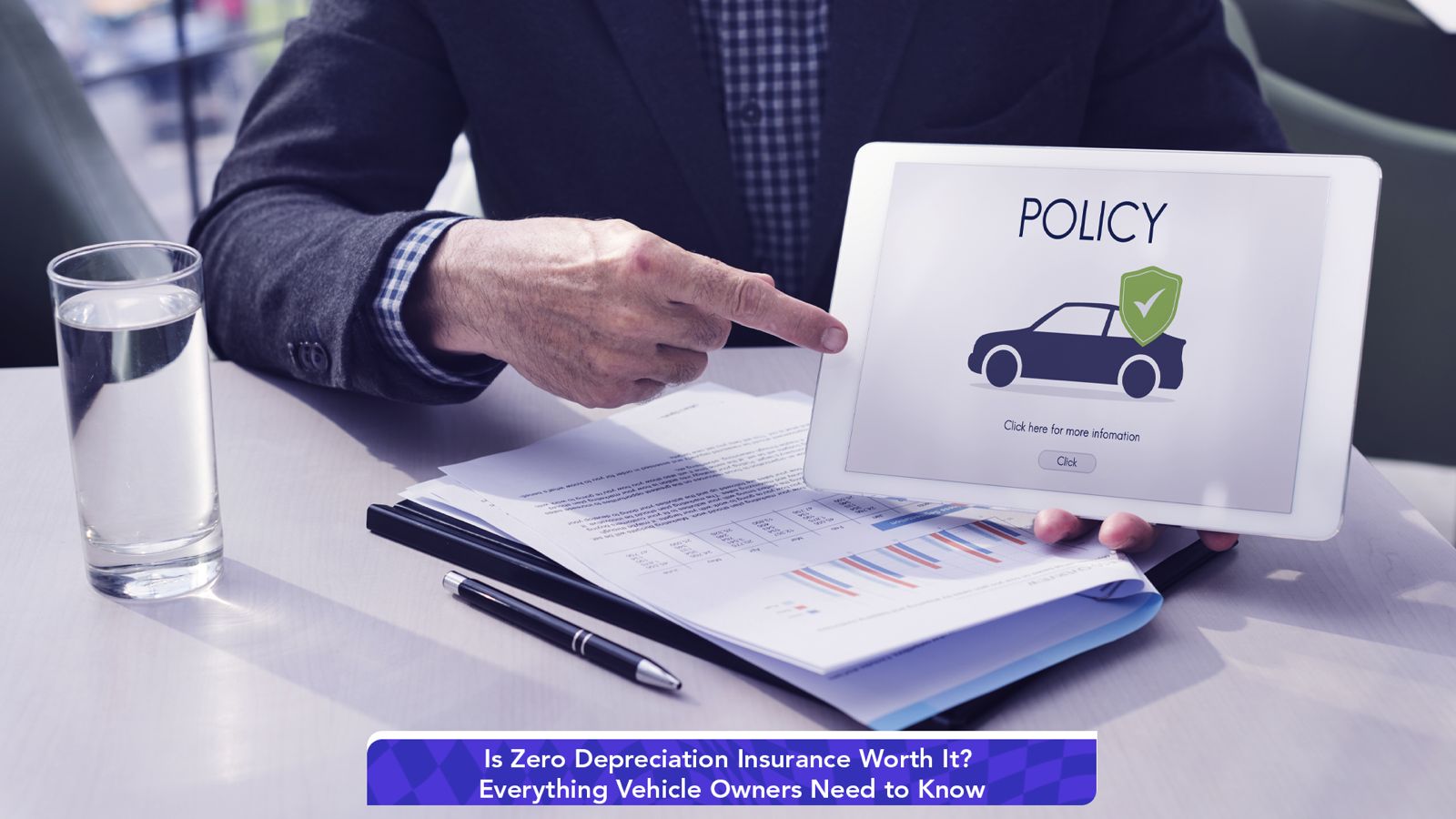
Zero depreciation insurance, also called nil depreciation cover or bumper-to-bumper insurance, is an add-on that reduces the depreciation deduction applied to damaged vehicle parts during a claim.
In a regular motor insurance policy, the insurer may deduct depreciation before paying for replaced parts. This means you may still have to pay part of the repair bill from your own pocket.
With zero depreciation cover, this deduction is reduced or removed for covered parts, depending on the policy terms. As a result, the insurer may pay a higher amount for the replaced parts.
In simple words:
- Regular insurance: Claim amount minus depreciation deduction
- Zero depreciation insurance: Higher claim amount with little or no depreciation deduction on covered parts
This does not increase your vehicle’s value. It only helps reduce depreciation-related deductions during eligible own-damage claims.
What Does Depreciation Mean in Insurance?
Depreciation means the reduction in value of something as it gets older.
For example, a phone bought for ₹30,000 two years ago will usually not sell for the same price today. Its value reduces because of age, usage, and wear and tear.
The same applies to vehicle parts. Insurers assume that parts lose value over time. Because of this, they may reduce the claim amount for replacement parts under a standard motor insurance policy.
For example, if your car bumper repair bill is ₹20,000, a regular policy may deduct depreciation before paying the claim. You may need to pay that deducted amount yourself.
With zero depreciation cover, the depreciation deduction on that covered part may be reduced or removed. You may still need to pay deductibles or non-covered charges, but the depreciation-related burden can reduce.
This difference can matter when repairs involve bumpers, mirrors, lights, fibre parts, or plastic panels.
What Is Covered Under Zero Depreciation Cover?
Zero depreciation cover generally helps reduce or remove depreciation deductions on replaced parts during an approved claim.
Commonly covered parts may include:
- Plastic parts
- Fibre components
- Rubber parts
- Metal parts
- Glass parts
Modern vehicles use many plastic, fibre, and electronic-related components. Even a small accident can lead to a costly repair bill.
Before buying this add-on, check:
- Which parts are covered
- Whether there is any claim limit
- Whether your vehicle’s age is eligible
- Whether consumables need a separate add-on
- How many zero depreciation claims are allowed in a year
What Is Not Covered Under Zero Depreciation Insurance?
Zero depreciation does not mean “everything is covered.” It also does not guarantee claim approval.
Some common exclusions may include:
- Normal wear and tear
- Mechanical breakdowns not caused by an insured accident
- Driving without a valid licence
- Driving under the influence of alcohol
- Policy violations
- Consumables, unless separately covered
- Deductibles mentioned in the policy
- Repairs not related to an insured event
The claim must still be valid. The damage must fall under policy coverage. The insurer can still reject or reduce a claim if policy rules are not followed.
So, think of zero depreciation as a claim-payout improvement add-on, not a free-repair guarantee.
When Is Zero Depreciation Insurance Worth Paying Extra?
Zero depreciation cover is often worth considering when your vehicle is new, expensive, or likely to have costly repairs.
1. If Your Car or Bike Is New
A new vehicle usually has expensive original parts. Even a small accident can result in a costly repair bill.
It may be useful if:
- Your vehicle is newly purchased
- You want better claim support
- You want to avoid large surprise repair costs
- Your vehicle has expensive panels or body parts
2. If You Own a Premium or Expensive Vehicle
Luxury cars, premium bikes, and high-end vehicles often have expensive parts. A single repair may involve costly bumpers, headlights, sensors, mirrors, fibre panels, or body parts.
In such cases, paying a little extra premium for zero depreciation can make financial sense because one major repair claim may offset the additional premium.
3. If You Drive Frequently
The more you drive, the higher the chances of minor dents, scratches, or accident-related damage.
This add-on may be useful if:
- You drive every day
- You travel in heavy traffic
- You park in crowded areas
- You use your vehicle for long-distance travel
4. If You Want Peace of Mind
Some people simply do not want unexpected repair expenses.
For them, zero depreciation works like a financial cushion. It may not make the claim completely free, but it can reduce the depreciation-related part of the bill.
When Zero Depreciation May Not Be Worth It
Zero depreciation is useful, but it is not always necessary for everyone.
You may reconsider it if your vehicle is older. As vehicles age, the add-on premium may become less attractive compared to the possible claim benefit. Many insurers also restrict zero depreciation cover for older vehicles.
It may also be less useful if:
- Your vehicle is rarely used
- Your vehicle’s market value has reduced
- The add-on premium is too high
- The insurer allows only limited claims
- You want to keep the premium low
For older vehicles, the decision should depend on the add-on cost, vehicle condition, claim limits, and expected repair benefit.
Common Mistakes People Make
Many vehicle owners make mistakes while buying zero depreciation cover.
The most common mistakes include:
- Assuming zero depreciation means free repairs
- Not checking deductibles and exclusions
- Ignoring claim limits
- Forgetting that consumables may not be covered
- Buying the add-on without comparing the extra premium
- Not reading the policy wording carefully
Zero depreciation can be valuable, but only when you understand how it works.
Motor insurance is only one part of your protection plan.
Your vehicle cover matters, but your overall insurance need also depends on your family, income, loans, health cover, term insurance, and existing policies. Learn how Inka Insurance works to see how insurance needs are assessed.
Final Thoughts
Zero depreciation insurance is not about making every claim free. Its main purpose is to protect you from depreciation deductions that can increase your repair bill.
For new vehicles, expensive cars, premium bikes, and frequent drivers, the extra premium is often worth considering.
For older vehicles, the value becomes less clear. In that case, the decision should depend on the add-on cost versus the practical claim benefit.
Inka-style takeaway: zero depreciation feels like a small extra premium, but it mainly buys peace of mind against parts depreciation, not blanket claim approval.
So, before adding or skipping this cover, ask yourself one simple question: if your vehicle meets with an accident tomorrow, would you rather pay a little extra premium today or a much bigger repair share later?